
Search warrant
A court order authorizing police to search for evidence.

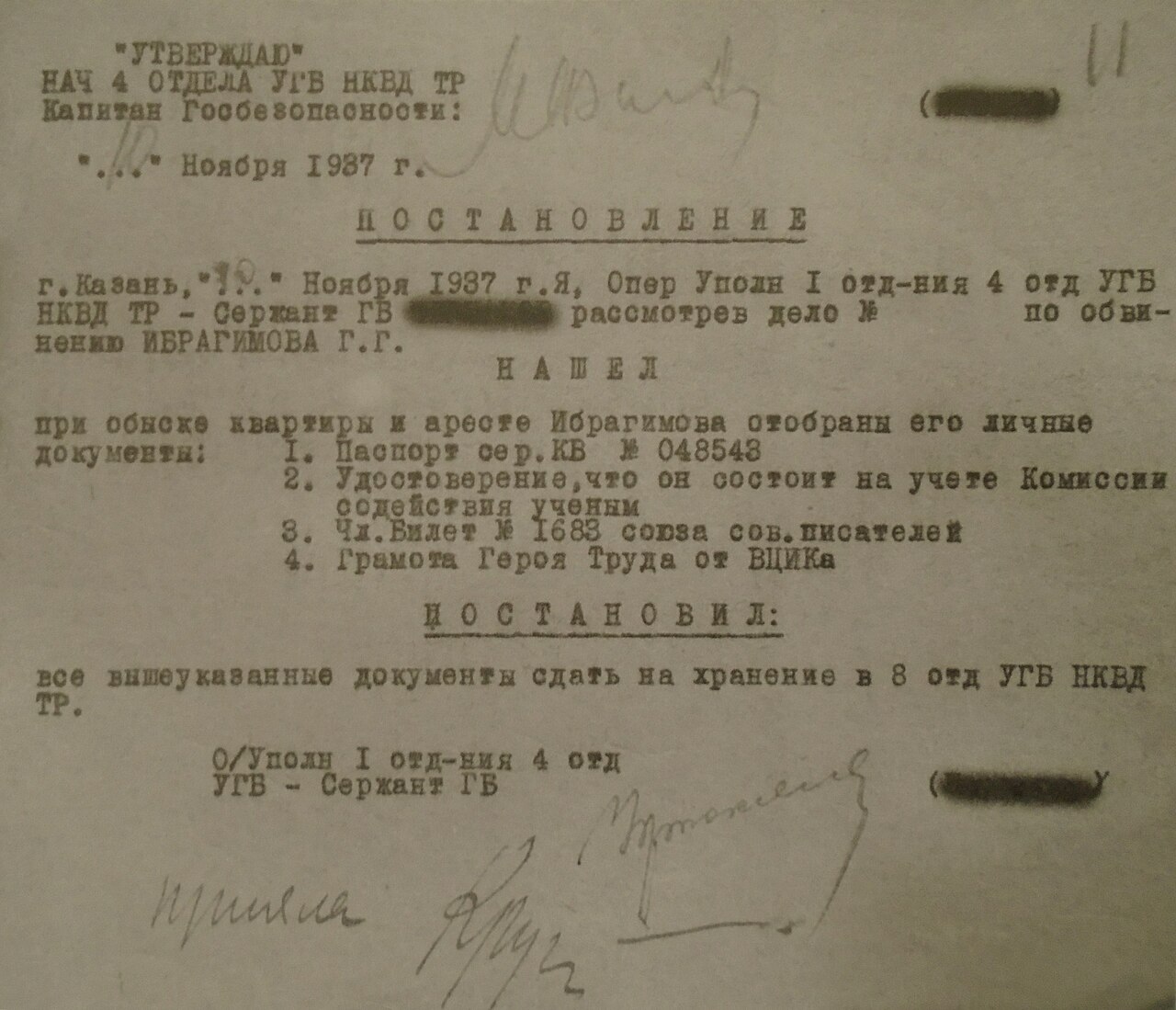
НКВД · Public domain
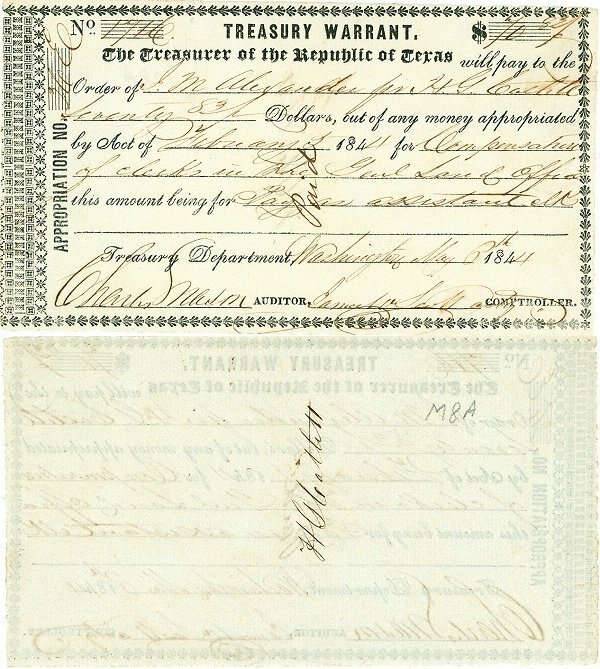
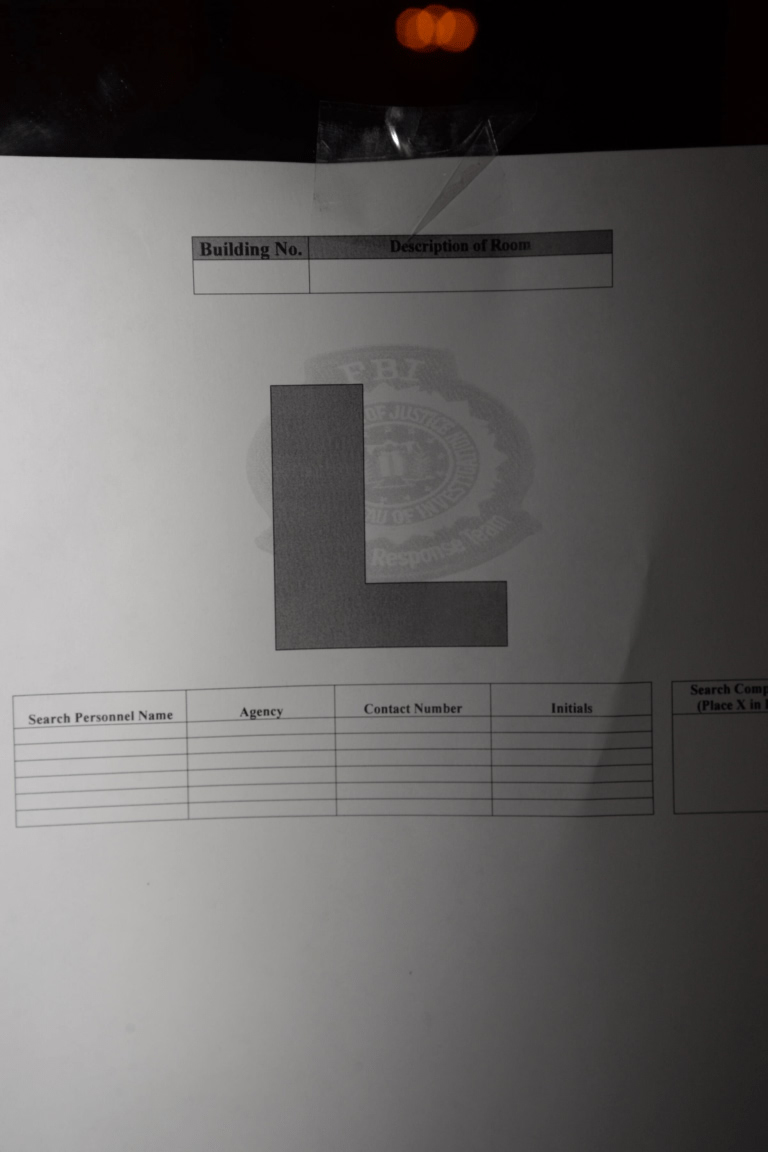
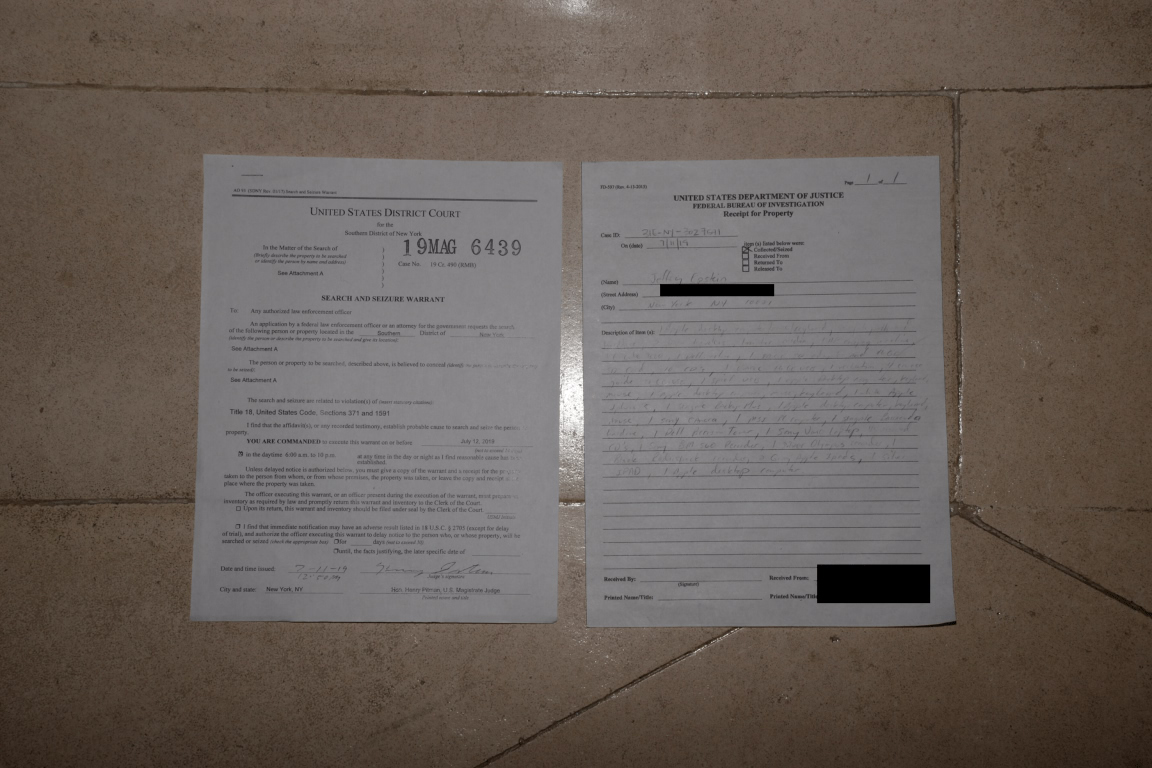
A search warrant is a court order issued by a magistrate or judge that authorizes law enforcement officers to search a person, location, or vehicle for evidence of a crime and to confiscate any evidence found. In most countries, a search warrant cannot be issued in aid of civil process. Jurisdictions that respect the rule of law and a right to privacy typically require search warrants or an equivalent procedure for searches conducted in criminal investigations, though laws vary by country.
- field
- Criminal procedure and evidence law
- known_for
- Authorizing police searches under judicial oversight
- related_concepts
- Probable cause, Fourth Amendment, hot pursuit, consent exception
Lore & Background
In England and Wales, a local magistrate issues search warrants after a constable provides supporting evidence. Section 32 allows a constable who arrests a person on their own property or just after they left it to search the suspect and the immediate area. Gas company officials may also obtain a warrant to enter a home to inspect, repair, or replace gas meters. In Canada, police must present a judge with an information to obtain (ITO) form containing reasonable and probable grounds to believe an offense has been or is being committed. The hearing is ex parte, obliging police to include any facts that hurt their application. After a search, occupants receive a copy of the warrant and may receive a copy of the ITO through crown disclosure if charged. The Criminal Code includes numerous warrant procedures with specific requirements, such as daytime service or a named supervising officer for home searches; failure to meet these may render evidence inadmissible. In the United States, the Fourth Amendment requires most police searches to have a search warrant based on probable cause, unless an exception applies. The probable cause standard is lower than proof beyond a reasonable doubt. Warrants must be reasonable and particular, identifying items to be searched for and the place to be searched. Officers must prove probable cause to a magistrate or judge, often using hearsay from confidential informants. Federal search warrants follow Title 18 of the U.S. Code and Rule 41 of the Federal Rules of Criminal Procedure. Each state has its own laws. Search warrants are normally public but may be sealed if they contain sensitive information.
Reader's Guide
The search warrant serves as a critical safeguard of privacy and the rule of law, constraining police power in criminal investigations. Its significance lies in requiring judicial authorization before law enforcement can intrude upon a person, home, or vehicle, thereby balancing the state's interest in law enforcement against individual rights. The requirement for probable cause—a lower standard than conviction but higher than mere suspicion—ensures that searches are not arbitrary. Exceptions such as hot pursuit, consent, plain view, and the motor vehicle exception allow flexibility in urgent or practical situations, but these exceptions are narrowly defined to prevent abuse. The variation among jurisdictions—from the detailed warrant procedures in Canada and the United Kingdom to the Fourth Amendment framework in the United States—reflects different legal traditions and societal values. In authoritarian nations, police may search without permission or justification, highlighting the warrant's role as a marker of a legal system that respects privacy. The public availability of warrants in the U.S. promotes transparency, while sealing protects sensitive investigations. Overall, the search warrant remains a foundational tool for ensuring that police searches are lawful, accountable, and respectful of fundamental rights.
Did You Know?
- In Canada, the hearing for a search warrant is ex parte, meaning only the crown is present, and police must include any facts that hurt their application.
- Under the Fourth Amendment in the United States, search warrants must be reasonable and particular, identifying the items to be searched for and the place to be searched.
- The motor vehicle exception, established by Carroll v. United States, allows police to search a vehicle without a warrant if they have probable cause to believe evidence or contraband is inside.
Gallery

Frequently Asked Questions
What is a search warrant?
A search warrant is a judicial document that grants law enforcement permission to look for and seize evidence tied to a criminal investigation. It targets a specific person, place, or vehicle and must be signed off by a magistrate or judge.
Who issues a search warrant?
A magistrate or judge is the authority who grants the warrant after reviewing the requesting officers' justification. This independent judicial review is what keeps the search from happening on an officer's say-so alone.
What exactly does a search warrant allow officers to do?
It permits them to enter a designated location or examine a specific person or vehicle to locate and take physical evidence of a crime. The scope is limited to what the warrant specifies, preventing open-ended rummaging.
What legal concepts are tied to search warrants?
They rest on the idea of probable cause and, in the U.S., the Fourth Amendment's protection against unreasonable searches. Related doctrines like hot pursuit and voluntary consent can sometimes bypass the warrant requirement entirely.
Can a search warrant be used in a civil case?
In most legal systems, a search warrant is strictly a criminal-investigation tool and cannot be used to aid civil proceedings. Jurisdictions that uphold privacy rights generally require this judicial authorization for criminal searches, though the exact rules differ from country to country.
More in Law Enforcement & Legal Procedures 1-24
Spotted an error? Know more?
This is a living reference — every entry is fact-audited, and reader corrections feed straight into our audit queue. Suggest an edit · See this site's audit record