
Resolution (law)
A formal motion adopted by a deliberative body.

Theoa · CC BY-SA 4.0
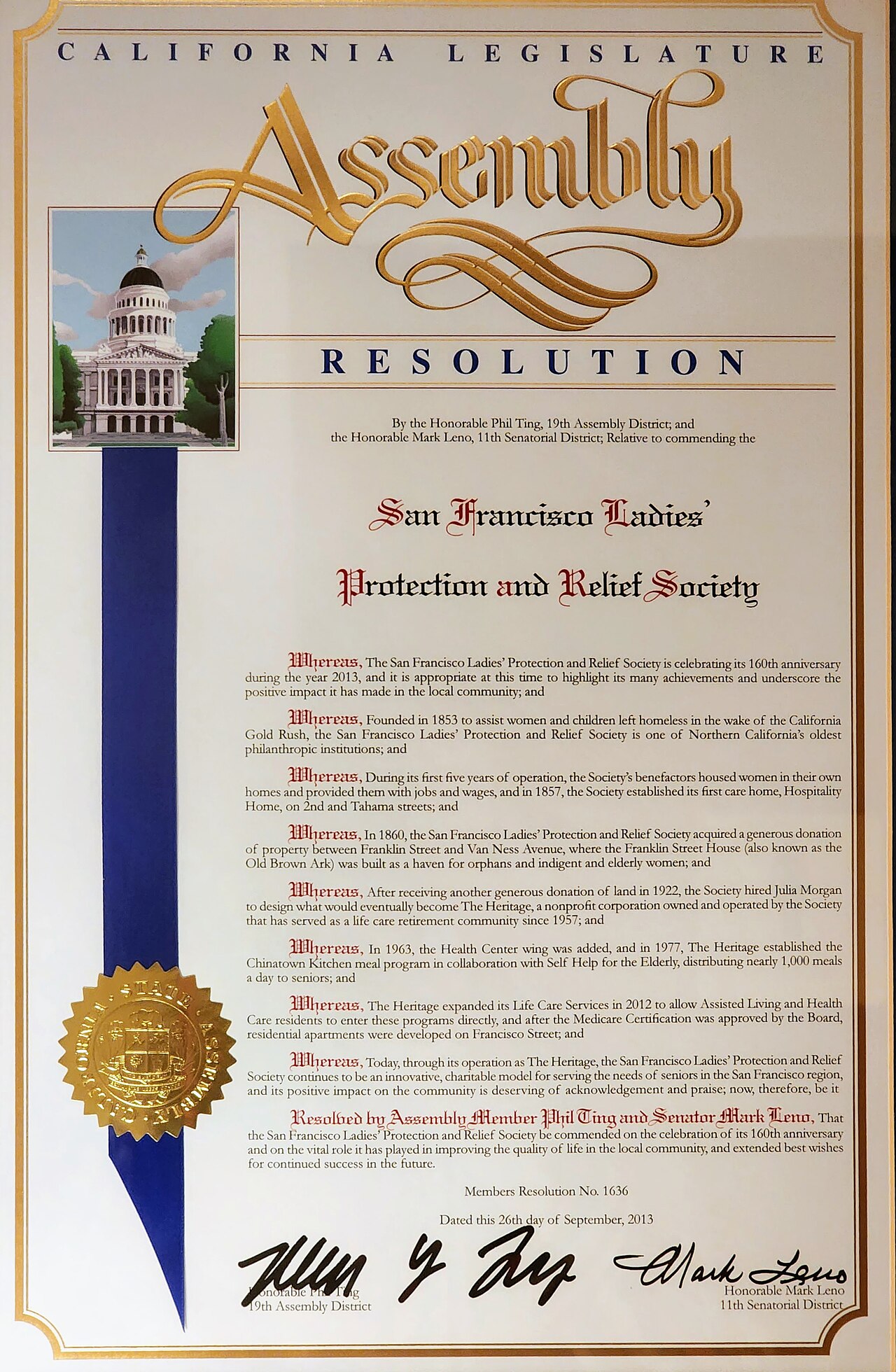
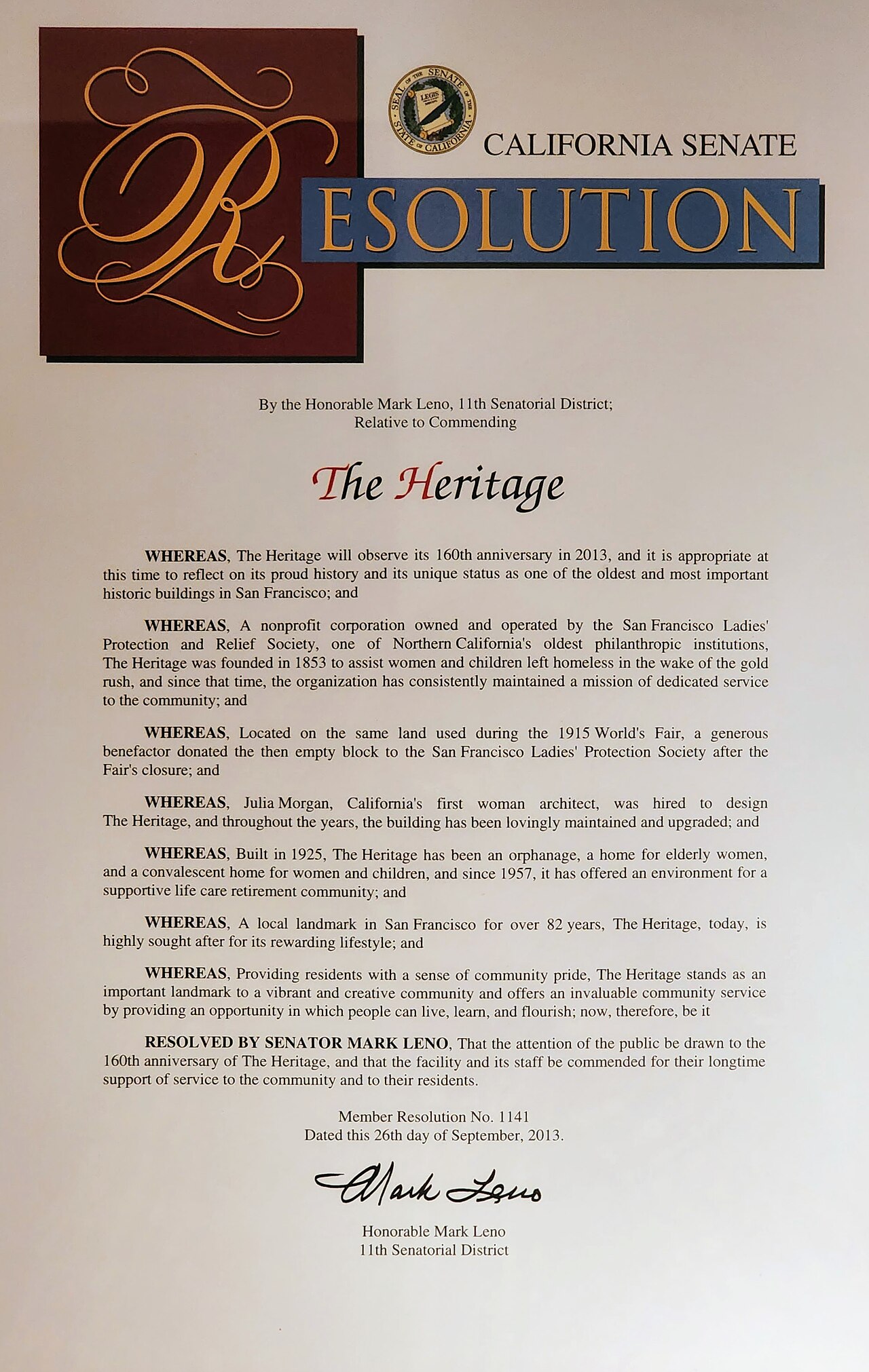
A resolution, also termed a resolve, is a motion, often in writing, adopted by a deliberative body such as a corporation's board or a house of a legislature. In corporations, written resolutions are used to authorize actions like real estate purchases or sales, and when certified by the corporate secretary, they assure the other party of proper authorization. In legislative bodies, resolutions can be non-binding expressions of opinion or binding exercises of specific powers, such as declaring war or proposing constitutional amendments.
- field
- Law
- known_for
- Formal motion adopted by deliberative bodies
- types
- Non-binding, substantive, procedural
Lore & Background
In corporations, a written resolution is especially useful for a board of directors when consenting to real estate purchases or sales. Such a resolution, certified by the corporation's secretary, provides assurance to the other side of the transaction that the sale was properly authorized. Other examples include resolutions approving the opening of bank accounts or authorizing the issuance of shares. In many legislative bodies, the term resolution describes a motion that has been approved. In the United States, resolution means a proposal made in writing, while motion means a proposal made verbally. Houses of a legislature often adopt non-binding resolutions, but a legislature also uses resolutions to exercise binding powers that are not lawmaking powers, such as the United States Congress declaring war or proposing constitutional amendments by adopting a joint resolution. A house can also use a resolution to exercise its specific powers, as the British House of Commons does to elect its Speaker or as the United States House of Representatives does to impeach an officer of the government.
Reader's Guide
The concept of a resolution is fundamental to the operation of both corporate and legislative bodies. In corporations, written resolutions provide a clear record of board authorization for significant transactions, protecting the corporation and third parties. In legislatures, resolutions serve a dual purpose: they allow a body to express an opinion on matters outside its direct legislative power through non-binding resolutions, and they enable the exercise of specific constitutional powers, such as declaring war or impeaching officials. The distinction between substantive and procedural resolutions mirrors the broader legal distinction between substantive and procedural law. Historical examples, such as the Gulf of Tonkin Resolution and the War Powers Resolution, illustrate the significant political and legal consequences that can flow from the adoption of a resolution. The term's flexibility—from a simple corporate consent to a congressional declaration of war—underscores its importance as a tool for collective decision-making.
Did You Know?
- An alternate term for a resolution is a resolve.
- In the United States, resolution means a proposal made in writing, while motion means a proposal made verbally.
- A legislature uses resolutions to exercise binding powers that are not lawmaking powers, such as declaring war or proposing constitutional amendments.
- Non-binding resolutions are used to express approval or disapproval of matters handled by another jurisdiction or protected by a constitution.
Gallery




Frequently Asked Questions
What is a Resolution (law)?
In legal terminology, a resolution is a formal motion—usually committed to writing—that gets adopted by a deliberative body such as a corporate board or a legislative chamber. It serves as the official record that the group has collectively decided to take or authorize a particular action.
What types of resolutions exist in law?
Resolutions generally fall into three categories: non-binding expressions of opinion, substantive resolutions that carry legal force, and procedural resolutions that govern how a body conducts its business. A legislature, for instance, might pass a non-binding opinion statement while separately using a binding resolution to declare war.
How does a corporate resolution function in practice?
A corporation's board adopts written resolutions to authorize specific business actions, such as purchasing or selling real estate. Once the corporate secretary certifies the document, it acts as proof to outside parties that the company was properly authorized to proceed.
What powers can a legislative resolution exercise?
Depending on its classification, a legislative resolution can range from a purely symbolic statement of opinion to a binding exercise of constitutional authority, such as proposing a constitutional amendment or formally declaring a state of war.
Why is a certified resolution important in legal transactions?
When a corporate secretary certifies a resolution, it gives counterparties—like a buyer or lender—assurance that the individual signing the deal had proper board-level authority. Without that certification, the other party lacks formal proof the action was legitimately approved.
More in Law Enforcement & Legal Procedures 1-24
Spotted an error? Know more?
This is a living reference — every entry is fact-audited, and reader corrections feed straight into our audit queue. Suggest an edit · See this site's audit record