
Public inquiry
Official public review of events ordered by a government body.

Yu Chu Chin · CC BY-SA 4.0
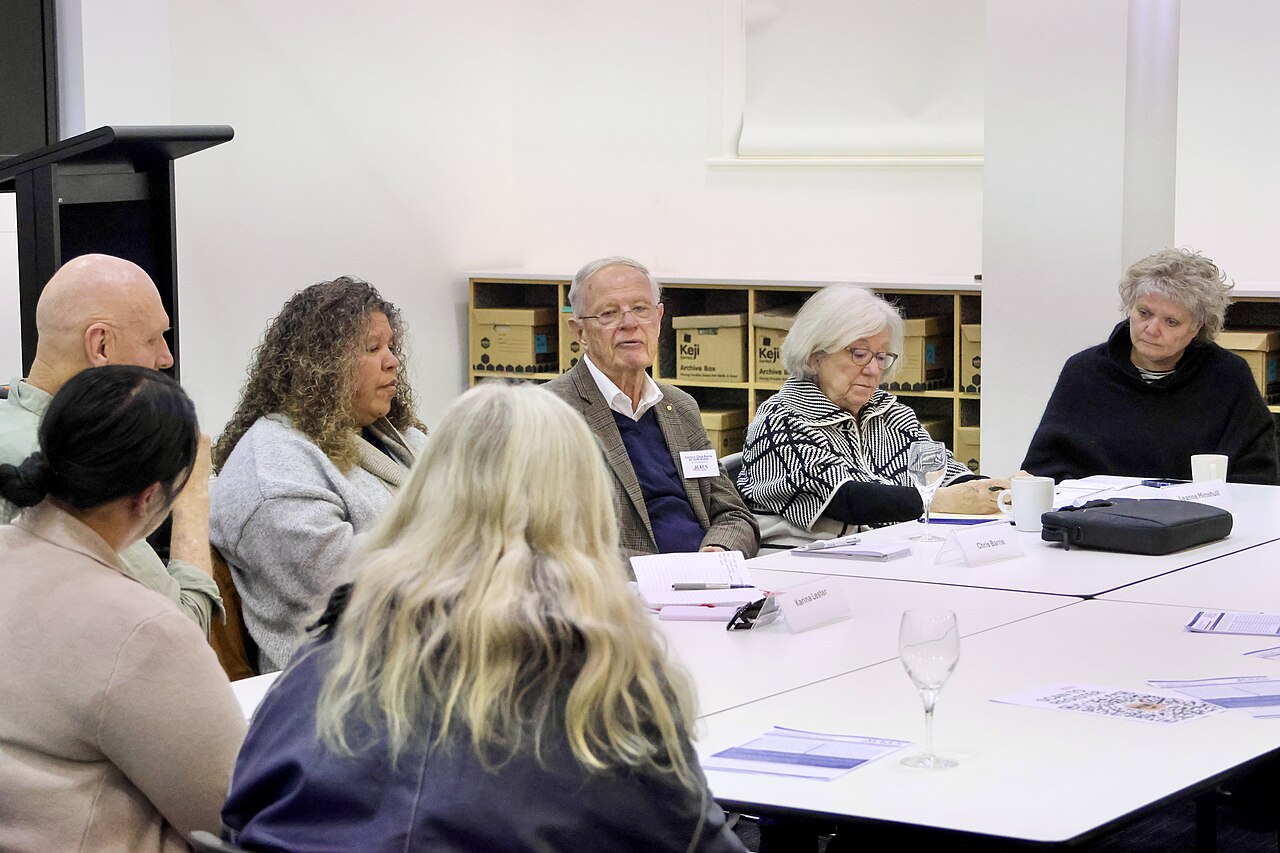
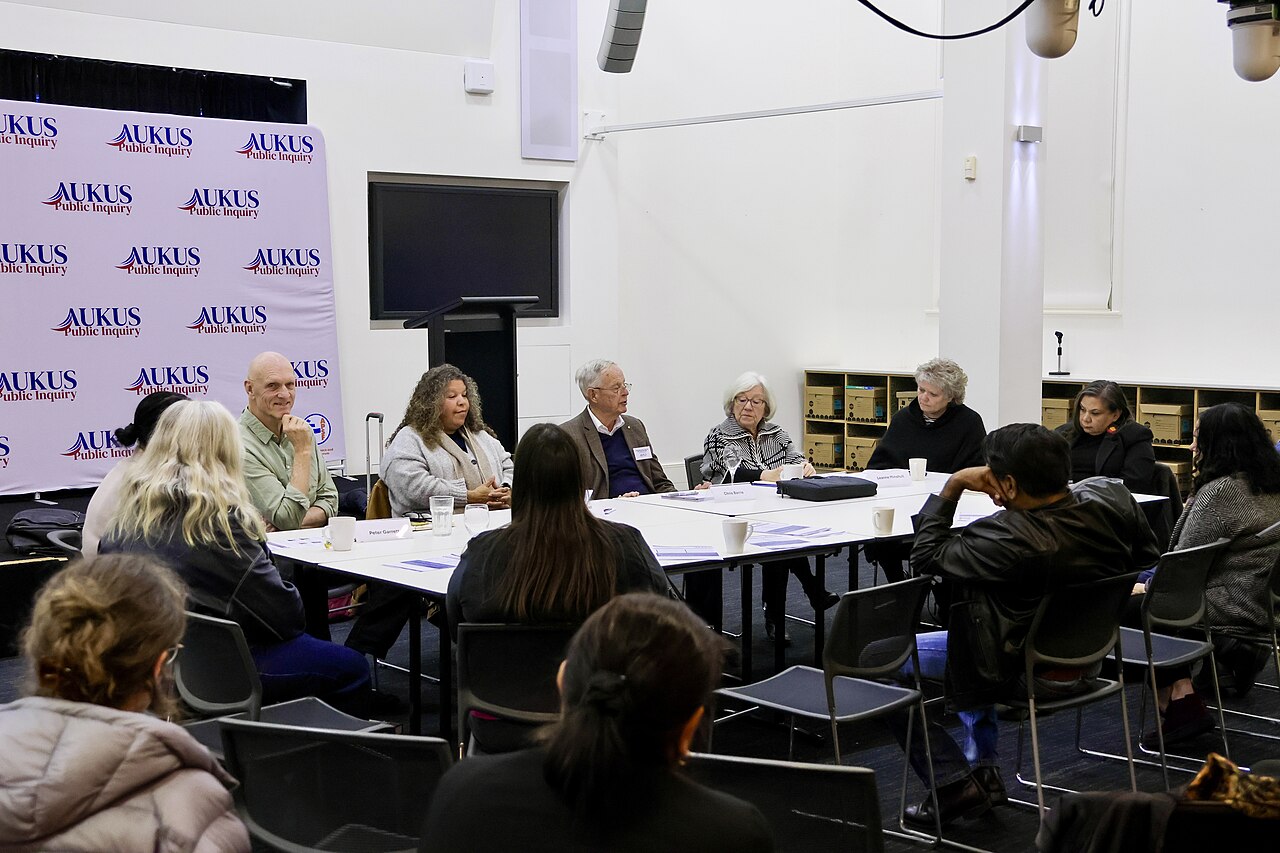
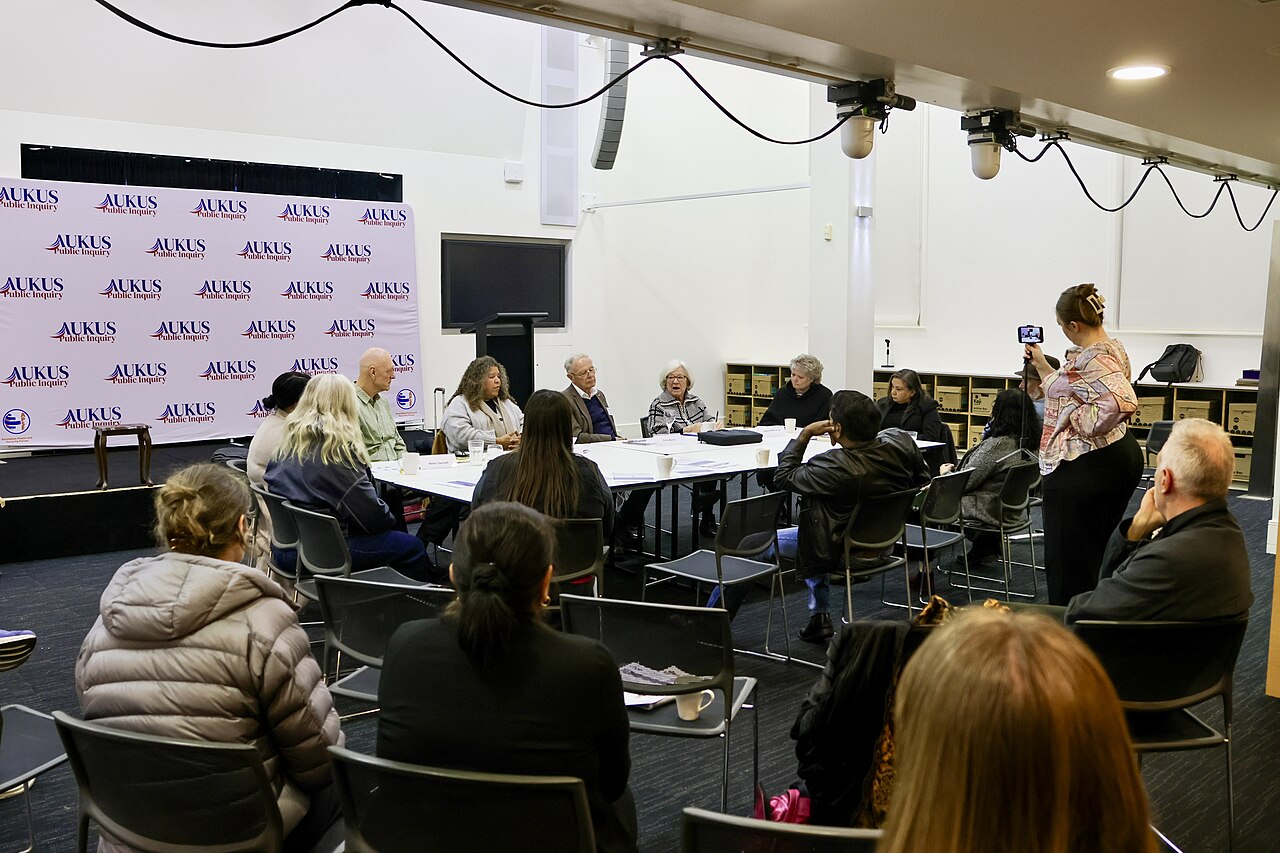
A public inquiry, also known as a tribunal of inquiry, government inquiry, or simply inquiry, is an official review of events or actions ordered by a government body, often by a parliamentary inquiry committee. In many common law countries, such as the United Kingdom, Ireland, Australia, and Canada, a public inquiry may be established under a variety of statutory bases—for example, in Canada, many are established by Order in Council under the Inquiries Act, while in the UK, the Inquiries Act 2005 provides a common framework. Similarly, a royal commission is not solely a prerogative power; in Canada and Australia, royal commissions are typically established under statute (e.g., the Inquiries Act in Canada) and can examine broad policy matters. Both are public and accept evidence, but a public inquiry focuses on a more specific occurrence. Interested members of the public and organisations may make written evidential submissions and listen to oral evidence given by other parties.
- field
- Government and legal investigations
- known_for
- Official review of events causing multiple deaths or public concern
- typical_events
- Public transport crashes, mass murders
- output
- Written report with recommendations
- common_law_countries
- United Kingdom, Ireland, Australia, Canada
Lore & Background
Typical events for a public inquiry are those that cause multiple deaths, such as public transport crashes or mass murders. Advocacy groups and opposition political parties often request inquiries for various issues, but the government typically accedes to only a fraction of these requests. The decision to appoint an inquiry depends on factors including the extent of media coverage, whether allegations of blame involve the relevant minister, and the cost and time required due to its public nature.
Reader's Guide
Public inquiries serve as a mechanism for governments to review significant events in a transparent manner, accepting evidence from the public and organisations. Their conclusions are delivered in a written report, first to the government and then made public, often recommending improvements to government or public management. Reports tend to enjoy public trust only when critical of the government, losing credibility when they find no government fault. In South Africa, historically important inquiries have examined national-scale events such as systematic human rights abuses during apartheid and wide-scale corruption.
Did You Know?
- Public inquiry reports tend to enjoy public trust only when they are critical of a government.
Gallery



Frequently Asked Questions
What is a public inquiry?
A public inquiry is a formal, government-ordered investigation into events or actions that have triggered serious public concern, such as multiple fatalities or systemic institutional failure. It is also called a tribunal of inquiry or government inquiry and is typically launched by a parliamentary committee or executive directive.
What are a public inquiry's powers and role?
Its core function is to examine the circumstances of a specific incident by collecting evidence, hearing witnesses, and identifying institutional shortcomings. It operates under a defined statutory framework—such as Canada's Inquiries Act or the UK's Inquiries Act 2005—rather than relying solely on a discretionary royal prerogative.
How does a public inquiry's process end?
The inquiry wraps up by issuing a written report that lays out its findings of fact and sets out recommendations aimed at preventing a recurrence. Those recommendations are generally directed at public bodies or government departments but are not legally enforceable in most jurisdictions.
Why is a public inquiry important?
It offers a transparent, independent avenue for scrutinizing events where lives were lost or public trust in institutions was severely damaged. Unlike a criminal prosecution, its focus is on systemic causes and broader accountability rather than pinning individual guilt.
Which countries most commonly use public inquiries?
The practice is especially well established across common law nations, including the United Kingdom, Ireland, Australia, and Canada. Each jurisdiction creates inquiries under its own statutory or executive authority, though the shared goal of public accountability remains consistent.
More in Law Enforcement & Legal Procedures 1-24
Spotted an error? Know more?
This is a living reference — every entry is fact-audited, and reader corrections feed straight into our audit queue. Suggest an edit · See this site's audit record