
Sanctions (law)
Penalties or enforcement means to incentivize legal obedience.

Cody Logan · CC0
Sanctions, in law and legal definition, are penalties or other means of enforcement used to provide incentives for obedience with the law or other rules and regulations. They appear in criminal, civil, and international contexts, with forms ranging from fines and incarceration to involuntary dismissal of a case or international measures authorized by the United Nations Security Council. The term is also used, sometimes contradictorily, to mean 'approve of' in an official context.
- field
- Law
- known_for
- Penalties or enforcement means to incentivize legal obedience; also used to mean official approval
- etymology
- From Latin sānctiō, meaning 'a law or decree that is sacred or inviolable'
Lore & Background
Sanctions in law are penalties or other enforcement mechanisms designed to encourage compliance with legal rules. Criminal sanctions may include corporal or capital punishment, incarceration, or severe fines. In civil law, sanctions are usually monetary fines levied against a party or attorney for procedural violations or abuse of process; the most severe civil sanction is involuntary dismissal with prejudice, which ends the action against the sanctioned party without recourse except for appeal or trial de novo for reversible error. In international law, the United Nations Security Council may authorize sanctions to maintain or restore international peace and security under Article 41 of the UN Charter.
Reader's Guide
The concept of sanctions is central to legal systems, serving as a primary tool for enforcement and deterrence. The article highlights that the term is typically used in the plural form even for a single penalty, and that it can also carry the contradictory meaning of official approval. This duality reflects the term's origin in Latin sānctiō, meaning a sacred or inviolable decree. In U.S. federal courts, certain conduct is sanctionable under Rule 11 of the Federal Rules of Civil Procedure. The significance of sanctions lies in their role in maintaining order, whether through punishment in criminal law, procedural discipline in civil litigation, or international measures to preserve peace. The article notes that a legal agreement or sanction imposes approvals, rules, guidelines, and penalties on conduct, underscoring the multifaceted nature of the term.
Did You Know?
- The term is usually used in the plural form, even if it refers to a single event.
- The most severe civil sanction is involuntary dismissal with prejudice of a party's cause of action or answer.
- The word can also mean 'approve of,' especially in an official context.
- Sanction comes from the Latin word sānctiō, meaning 'a law or decree that is sacred or inviolable.'
The Spectrum of Penalties
Sanctions in law function as the enforcement mechanism that gives teeth to rules and regulations. They exist to create incentives for compliance, and their severity varies dramatically depending on the legal context. In criminal law, the most extreme sanctions include corporal punishment, capital punishment, incarceration, and severe monetary fines. Civil law takes a different approach: sanctions there typically manifest as monetary fines imposed on a litigating party or their attorney for violating procedural rules or abusing the judicial process. The harshest civil sanction is involuntary dismissal with prejudice of a party's claim or answer, which effectively ends the entire case against that party. The only escape from this finality is a limited appeal or trial de novo, and only where reversible error is identified. This layered structure means that the same word covers everything from a modest procedural fine to the termination of a legal action without recourse.
A Word That Means Both Punishment and Approval
The term sanction carries a striking internal contradiction. In its most common legal usage, it denotes a penalty or enforcement measure imposed to compel obedience. Yet in an official or formal context, the same word can mean to approve or authorize. Saying that the law sanctions such behavior implies that the conduct enjoys the specific endorsement of legal institutions. This duality traces back to the Latin root sanctio, which originally described a law or decree regarded as sacred or inviolable. From that foundation, a sanction came to encompass both the approval of rules and the penalties attached to their violation. In practice, a legal agreement or sanction simultaneously imposes guidelines, approvals, and consequences on conduct. The word thus operates as a bridge between permission and prohibition, making it one of the most semantically layered terms in legal vocabulary.
Sanctions on the Global Stage
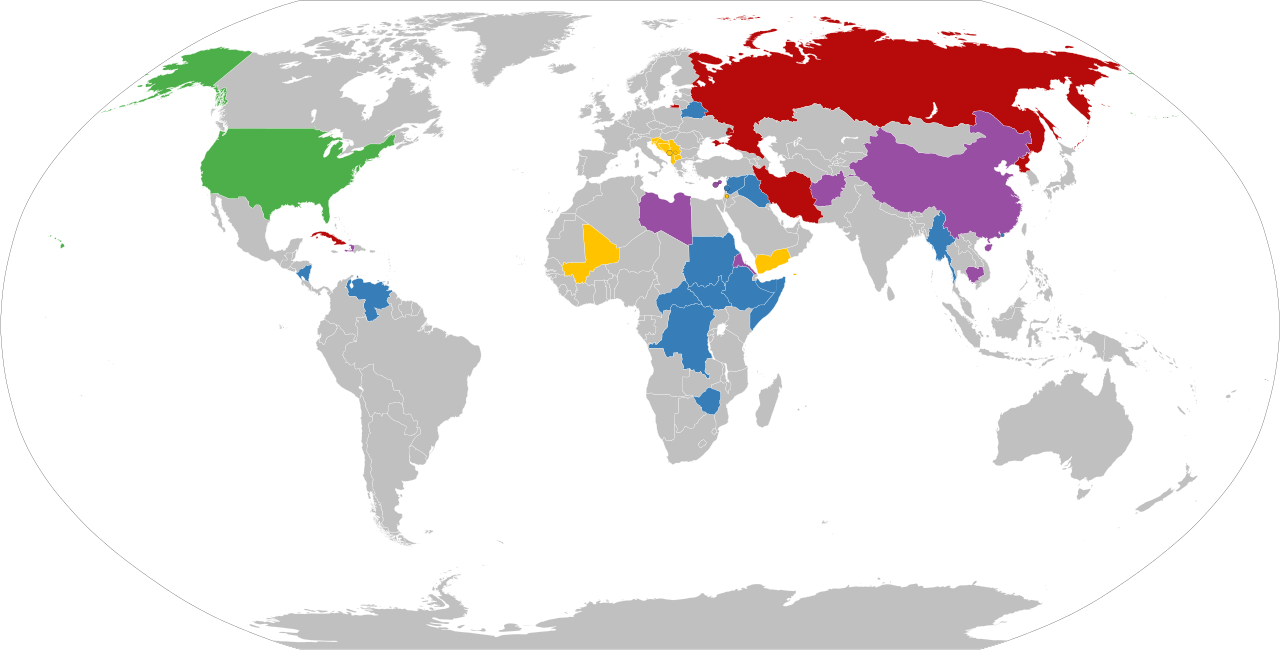
While domestic law employs sanctions to regulate individual conduct, international law deploys them as instruments of collective security. The United Nations Security Council holds the specific authority to authorize international sanctions aimed at maintaining or restoring peace and security worldwide. This power derives directly from Article 41 of the United Nations Charter, which provides the legal foundation for the Council's enforcement actions. Unlike a domestic judge who might fine a party for procedural violations, the Security Council's sanctions operate at the level of states and international actors, representing the multilateral community's response to threats against global order. The Charter-based framework ensures that such measures carry the weight of international legal legitimacy rather than the unilateral force of a single nation.
Procedural Enforcement and Scholarly Debate
Within the United States federal court system, sanctions are not merely abstract concepts but are triggered by specific rule violations. Rule 11 of the Federal Rules of Civil Procedure identifies particular types of conduct that are sanctionable, giving judges concrete grounds to impose penalties during proceedings. A notable linguistic convention surrounds the term: it is almost always used in the plural, even when a single penalty is imposed. A judge does not impose a sanction but rather sanctions, a grammatical habit that reflects the term's historical breadth. Beyond practice, the concept has generated extensive scholarly inquiry. From Hart's foundational work on the concept of law to Bobbio's functional analyses and Luhmann's sociological perspectives, legal theorists across multiple languages and traditions have examined how sanctions function as the mechanism binding norms to social reality.
Gallery
Frequently Asked Questions
What does the term 'sanctions' mean in law?
In legal usage, sanctions refer to penalties or enforcement mechanisms designed to encourage compliance with statutes, regulations, and other binding rules. They serve as the practical teeth behind a legal system, giving authorities a concrete way to compel obedience.
What forms can legal sanctions take?
Sanctions range widely depending on context: criminal law may impose fines or imprisonment, civil proceedings can result in dismissal of a case, and international law sees the UN Security Council authorize measures like trade restrictions or asset freezes. The specific form depends on which branch of law is being enforced.
Where does the word 'sanctions' come from?
The term traces back to the Latin word sānctiō, which carried the sense of a law or decree regarded as sacred and inviolable. Over time the meaning shifted from the inviolable rule itself to the penalty attached for breaking that rule.
Can 'sanctions' ever mean approval rather than punishment?
Yes, in certain official or formal contexts the word is used to mean 'to approve or endorse' a course of action, which can feel contradictory to its more common punitive sense. This dual usage is a recognized quirk of the term in legal and diplomatic language.
Why are sanctions important to the legal system?
Without enforceable consequences, laws and regulations would lack practical force, and parties could ignore obligations with no real cost. Sanctions therefore function as the central incentive structure that keeps criminal, civil, and international legal frameworks operational.
More in Law Enforcement & Legal Procedures 1-24
Spotted an error? Know more?
This is a living reference — every entry is fact-audited, and reader corrections feed straight into our audit queue. Suggest an edit · See this site's audit record